The Hardware Journey
The Silicon Evolution: From Room-Sized Machines to Pocket Supercomputers
The history of the computer is a journey of shrinking size and expanding power. What started as massive, room-filling machinery has evolved into sleek, highly efficient systems that power everything from global commerce to individual creativity. Understanding this evolution is key to appreciating the "Full Stack" of modern technology.
1. The Dawn of Processing
In the early days, computers were mechanical and enormous. The shift to vacuum tubes and eventually transistors marked the first major leap. This transition allowed for the birth of the Personal Computer (PC), bringing the power of logic and data processing from the laboratory directly to the desktop.
2. The Hardware-Software Handshake
As hardware evolved, so did the way we interact with it. Modern systems rely on the perfect synergy between physical components and the code that runs on them:
The CPU & GPU: The "brain" and "visual engine" of the computer have reached levels of precision that allow for complex real-time rendering and data processing.
Memory & Storage: The shift from slow magnetic disks to high-speed SSDs has fundamentally changed how databases and applications retrieve information.
3. The Era of Connectivity and Portability
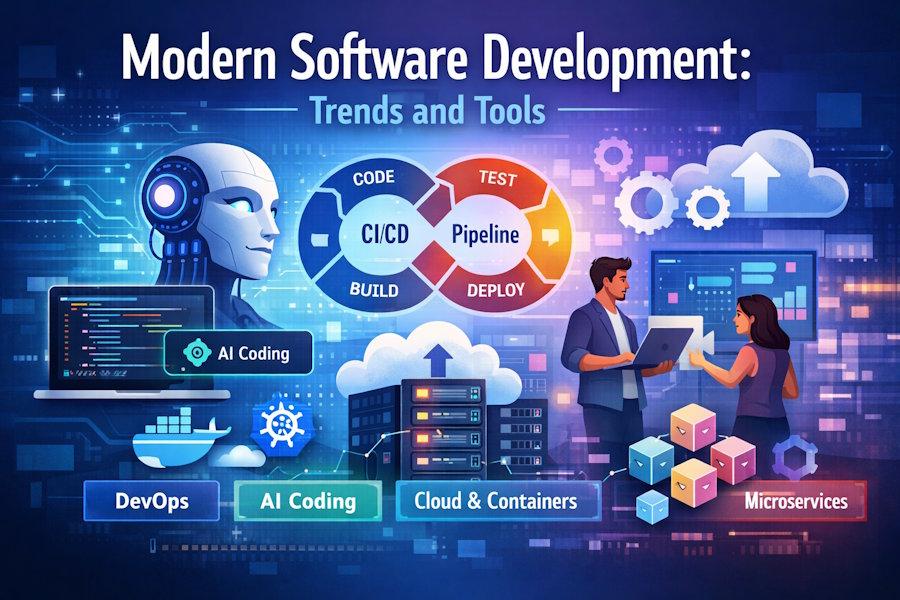
The modern computer is no longer an isolated box. Today’s hardware is designed for constant connectivity. This evolution has enabled technologies like Cloud Computing and Containerization, where the physical location of the server matters less than the reliability of the network.
4. Design Meets Performance
Today’s computers aren't just tools; they are masterpieces of engineering and design. The focus has moved toward professional aesthetics, such as "Cyber-Tech" and ultra-modern finishes, reflecting the power and sophistication hidden beneath the surface.
Conclusion
The evolution of the computer is a testament to human ingenuity. We have moved from simple arithmetic machines to complex systems capable of orchestrating entire digital worlds. As we look forward, the integration of hardware precision and software logic continues to redefine what is possible in the digital age.
التعليقات (0)
كن أول من يترك تعليقاً.
اترك تعليقاً